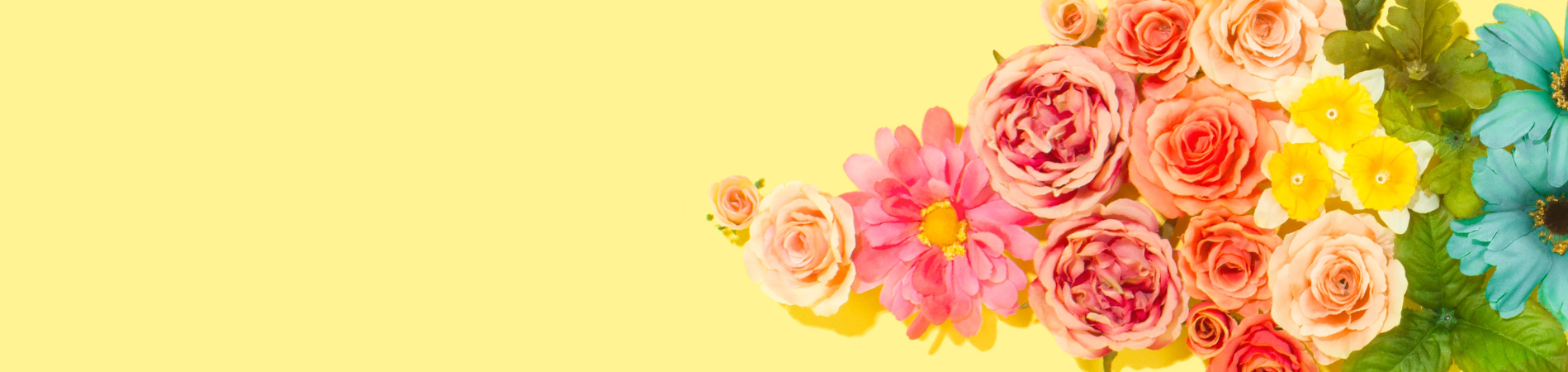
Nature's Cheerleaders: Flowers and the Path to Happiness
Posted on 05/06/2025
Nature's Cheerleaders: Flowers and the Path to Happiness
Flowers have enchanted humanity for millennia, gracing landscapes and celebrations, and even influencing our moods and well-being. These vibrant natural wonders are more than just decorative elements--they play a pivotal role in our emotional journeys. In this comprehensive article, we'll explore how flowers, sometimes called "nature's cheerleaders," can pave the way to happiness. Discover the captivating world of blooms and why integrating them into your daily life can significantly enhance your mental and emotional health.
The Joyful Language of Flowers: Understanding Nature's Cheerleaders
Flowers speak a universal language of color, scent, and beauty. They are omnipresent--growing wild in meadows, cultivated in gardens, arranged in bouquets, and depicted in art and literature. Their innate vibrancy taps into our emotions, and they often mark life's most pivotal moments, from joyous weddings to moments of remembrance. But what exactly makes flowers so closely linked to happiness?
- Symbolism and Tradition: Cultures across the globe use flowers as emblems of love, friendship, renewal, and remembrance.
- Sensory Delight: The sight and scent of flowers stimulate our senses and can trigger feelings of joy, comfort, and relaxation.
- Biological Connection: Our connection to flowers may be rooted in our evolutionary past, drawing us toward colorful blooms as indicators of food sources and safe environments.
Why Are Flowers Called Nature's Cheerleaders?
Flowers have long been seen as symbols of support, encouragement, and joy. Their vibrant colors and sweet fragrances evoke positive emotions and act as uplifting companions in our daily lives. Just as cheerleaders encourage and inspire, flowers boost our spirits, symbolizing hope, renewal, and resilience.
Scientific Studies: How Flowers Influence Happiness
Recent scientific research has sought to uncover the psychological impact of having flowers in our surroundings.
Flowers and Emotional Health: Research Findings
- Elevated Mood: A study conducted by Rutgers University discovered that the presence of flowers has an immediate effect on happiness, increasing positive emotions and social behaviors.
- Reduced Stress and Anxiety: Harvard Medical School researchers found that people living among fresh flowers reported lower levels of anxiety and felt more relaxed at home.
- Improved Connections: Workplace studies showed that keeping flowers in office spaces increased compassion and collaboration among coworkers.
It's clear: flowers are powerful agents of emotional wellness. Their mere presence can reshape the atmosphere of a room and the mindset of its occupants.
Nature's Cheerleaders Throughout History
Flowers in Ancient Rituals and Modern Life
Flowers have served as tokens of emotion and meaning throughout history. Ancient Egyptians adorned temples with blue lotus blossoms, symbolizing rebirth and the sun. In ancient Greece and Rome, laurel wreaths and garlands honored victors and cherished guests. Even in modern times, flowers mark celebrations, memorials, and milestones, forming deep emotional connections across generations.
- Victorian England: The "language of flowers," or floriography, allowed people to convey sentiments that couldn't be openly expressed.
- Eastern Traditions: In Japan, Hanami (flower viewing) celebrates seasonal cherry blossoms and the fleeting beauty of life itself.
- Contemporary Celebrations: Flowers remain a staple in events like weddings, graduations, anniversaries, and public commemorations.
The Psychological Impact of Flowers: Nature's Cheerleaders at Work
Why do flowers make us feel so happy? Psychologists offer several compelling explanations:
1. Color Therapy and Visual Delight
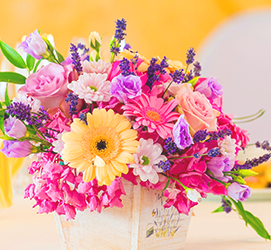
Bright, lively colors have the power to influence our emotions. Warm hues like red, orange, and yellow evoke energy and warmth, while cooler tones like blue, lavender, and green incite calm and tranquility. The diversity of floral hues in gardens and arrangements acts as natural color therapy, brightening our mood and invigorating our spaces.
2. Scent: Aromatherapy in Bloom
Floral scents possess therapeutic properties. Lavender reduces anxiety, rose encourages calm, and jasmine can enhance mood and alertness. Our olfactory senses are directly linked to our brain's emotional center, making the simple act of smelling a blossom a natural mood booster.
3. Mindfulness and Connection to Nature
Spending time with flowers or nurturing plants encourages us to slow down, focus, and be present--classic principles of mindfulness. Tending to a garden or simply observing wildflowers fosters a connection to the earth, nourishing our well-being and reducing symptoms of depression and anxiety.
Flowers in Everyday Life: How to Harness Nature's Cheerleaders for Happiness
Bringing Flowers Into Your Home
Integrating flowers into your daily routine can have a profound effect on your happiness and mental clarity. Here are tangible ways to invite the joy of blooms into your life:
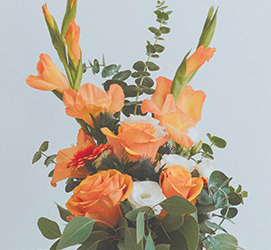
- Keep Fresh Bouquets: Place fresh flowers in rooms you frequent, such as the kitchen, bedroom, or office. Their beauty and scent can uplift your mood throughout the day.
- Arrange Your Own Flowers: Try your hand at arranging seasonal blooms for a creative and meditative exercise.
- Grow a Garden: Whether it's a window box, a backyard plot, or potted plants on a balcony, tending to living plants gives a sense of purpose and achievement.
- Give Flowers as Gifts: Sharing flowers spreads joy. The act of giving and receiving flowers is scientifically proven to increase positive emotions for both giver and receiver.
- Press and Preserve: Dried or pressed flowers can be used in art, crafts, or as keepsakes, allowing their cheerful influence to last even longer.
Flower Varieties and Their Unique Cheerleading Qualities
Each type of flower brings its own message and mood-enhancing power. Here's how some of the most beloved blooms foster happiness:
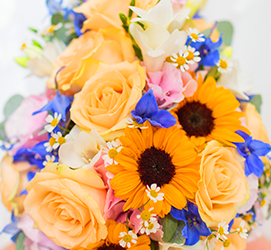
- Sunflowers: Their golden faces track the sun, symbolizing optimism, vitality, and positivity.
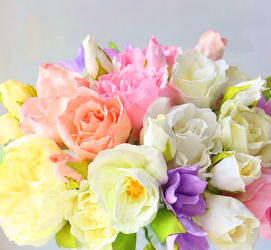
- Roses: Associated with love and affection, their colors communicate everything from romantic passion (red) to friendship (yellow) and gratitude (pink).
- Daisies: Embody innocence and cheer, their simple beauty evokes childhood wonder and carefree days.
- Lilies: Symbolize renewal and hope, their elegant appearance makes them popular in both celebrations and moments of solace.
- Lavender: Famed for its calming scent, lavender soothes the mind and is often used in aromatherapy for anxiety and insomnia.
- Tulips: Represent new beginnings and fresh starts, perfect for marking changes or reinvigorating your living space.
Flowers as Therapy: The Rise of Horticultural and Floral Therapy
Flower therapy and horticultural interventions are gaining recognition among health professionals. These therapies utilize flowers and gardening to promote holistic well-being and healing.
What is Floral Therapy?
Floral therapy involves engaging with flowers for therapeutic purposes--arranging bouquets, caring for houseplants, or simply spending time in a botanical environment. Common benefits include reduced stress, increased self-esteem, and improved cognitive function. Hospitals, retirement homes, and mental health clinics all use flower-based activities to enhance patient care and recovery.
Horticultural Therapy: Gardening for Health and Happiness
You don't need a green thumb to benefit. Research shows that even novice gardeners reap psychological and physical rewards. Activities like planting seeds, pruning, and gardening in groups stimulate confidence, camaraderie, and a sense of meaning--further cementing flowers' role as steadfast cheerleaders on the journey to happiness.
Flowers in Festivals and Celebrations Around the World
Every culture has unique floral festivals and customs that celebrate the joy brought by blooms. These events invite thousands to come together, reinforcing communal bonds and collective happiness.
- Japan: The Sakura (cherry blossom) festival attracts millions each year, while wisteria and plum blossom festivals draw regional crowds.
- India: During Diwali and Holi, marigolds and other vibrant flowers play a central role in decorations and exchanges.
- United Kingdom: The Chelsea Flower Show is a world-famous event showcasing garden design and floral artistry.
- Netherlands: Tulip season transforms the landscape into a patchwork of color, celebrated during the annual Keukenhof festival.
- Hawaii: The tradition of giving and wearing leis (flower garlands) is a symbol of welcome, love, and friendship.
These global traditions reaffirm that flowers are not just beautiful--they're essential to the rituals that unite us and remind us of life's joyful moments.
Environmental Benefits: How Nurturing Flowers Supports Happiness on a Larger Scale
Beyond their personal and cultural significance, flowers play a crucial role in supporting our planet's ecosystems. Their existence ensures the survival of bees, butterflies, and birds, all of which are crucial pollinators. By planting and caring for flowers, you're helping to sustain biodiversity and connect human happiness to the health of the environment.
- Pollinator Support: Flowering plants provide vital food sources for pollinators, which, in turn, are responsible for much of our food supply.
- Air Quality Improvement: Flowers and other plants absorb carbon dioxide and release oxygen, creating cleaner air and promoting a healthier living environment.
- Urban Beautification: Urban spaces with green areas and floral displays report lower crime rates, increased community interaction, and greater resident satisfaction.
Tips for Welcoming Nature's Cheerleaders Into Your Routine
- Be Mindful of Allergies: If you or household members have allergies, choose hypoallergenic plants and keep pollen-heavy blooms outdoors.
- Rotate and Refresh: Change floral arrangements to maintain novelty and engage different senses.
- Support Local Growers: Visit farmer's markets or subscribe to a local bouquet service to enjoy seasonal freshness and boost your community.
- Involve the Family: Gardening and arranging flowers with children or elders encourages bonding, creativity, and shared joy.
- Try Edible Flowers: Discover the happiness boost from decorating dishes or drinks with safe-to-eat blooms like violets, nasturtiums, and calendula.
Conclusion: The Enduring Power of Flowers on the Path to Happiness
Flowers--nature's cheerleaders--possess a magic that lifts spirits, soothes worries, and connects us to both nature and each other. Their delicate petals and intoxicating scents serve as daily reminders to pause, appreciate, and celebrate life's beauty. Whether by brightening a home, engaging in gardening, or joining a vibrant festival, welcoming flowers into your world is an easy, scientifically proven way to enhance your happiness and well-being.
Let flowers guide you on the path to happiness. Embrace nature's cheerleaders by inviting their color, scent, and symbolism into your life--one bloom at a time.