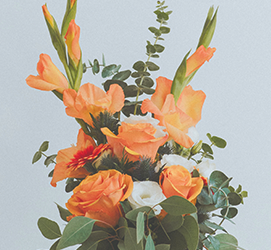
Redbridge Council rules for pavement flower displays
Posted on 20/10/2026
Redbridge Council Rules for Pavement Flower Displays: A Practical Guide for Local Businesses and Residents
If you are planning a pavement flower display in Redbridge, the details matter more than most people expect. A simple row of planters outside a shop can make a street feel warmer, brighter, and more inviting - but it can also create access issues if it is placed badly or maintained loosely. The Redbridge Council rules for pavement flower displays are really about balance: making public-facing spaces look good without blocking pedestrians, wheelchair users, pushchairs, or people with visual impairments.
This guide breaks the topic down in plain English. You will learn how pavement flower displays usually work, why councils care about them, what practical standards to keep in mind, and how to avoid the little mistakes that can turn a nice idea into a complaint. We will also cover a step-by-step approach, useful checks before installation, and a few real-world considerations that often get missed. Truth be told, it is usually the tiny details - width, placement, stability, and upkeep - that decide whether a display feels charming or just in the way.
One thing first: council requirements can change, and local permission or street conditions may affect what is allowed at a specific location. So the safest approach is to treat any pavement display as something that needs a bit of thought, not a quick shove of pots onto the kerb and hope for the best.
Contents
- Why Redbridge Council rules for pavement flower displays Matters
- How Redbridge Council rules for pavement flower displays Works
- Key Benefits and Practical Advantages
- Who This Is For and When It Makes Sense
- Step-by-Step Guidance
- Expert Tips for Better Results
- Common Mistakes to Avoid
- Tools, Resources and Recommendations
- Law, Compliance, Standards, or Best Practice
- Options, Methods, or Comparison Table
- Case Study or Real-World Example
- Practical Checklist
- Conclusion
- Frequently Asked Questions
Why Redbridge Council rules for pavement flower displays Matters
Pavement flower displays do more than decorate a frontage. They shape how a street feels, how easy it is to walk along, and how safe it is to move past. That is exactly why councils look at them carefully. A display may seem harmless if you are standing in front of it for a minute, but on a busy high street the same display can create pinch points, confusion, or even hazards when people are passing in both directions.
The main issue is not the flowers themselves. It is the space they occupy. Pavements are shared public space, so any object placed there needs to be considered in relation to pedestrian flow, accessibility, visibility, and day-to-day maintenance. If a planter is heavy, unstable, overgrown, or placed too close to a property edge, it can quickly become a nuisance. And if it is positioned where someone with a buggy or mobility aid has to step into the carriageway, that is where the problems really begin.
For businesses, this matters because a neat and compliant display can support the shopfront instead of creating friction. For residents, it matters because even a small decorative arrangement can affect neighbours, access routes, and footway safety. Nobody wants a lovely display to become a complaint magnet. That would be a bit of a shame, to be fair.
There is also the practical side of reputation. A well-managed display signals care, attention, and a bit of civic pride. A messy one does the opposite. Councils tend to notice patterns too: poor placement, failing maintenance, and repeated obstruction can lead to action. So yes, the rules are about compliance, but they are also about keeping a good relationship with the street around you.
How Redbridge Council rules for pavement flower displays Works
Most pavement flower display arrangements are controlled through a mix of local permission, public highway considerations, and general duties to avoid obstruction. In plain language, the council will want to know that pedestrians can still pass safely and that the display will not create a nuisance or trip hazard. The exact route to approval can vary depending on the street, the location, and whether the pavement is part of a busy pedestrian route, near a crossing, or close to a bus stop or junction.
In practice, the process usually comes down to a few questions:
- Does the display leave enough clear walking space?
- Will it block access for wheelchairs, mobility scooters, or pushchairs?
- Could it reduce visibility for road users or pedestrians?
- Is the display stable, tidy, and easy to maintain?
- Has any necessary permission or agreement been considered before installation?
If the answer to any of those is shaky, that is a sign to slow down and rework the plan. Councils are generally more comfortable with compact, well-maintained displays than with large, sprawling arrangements that feel like they have grown into the pavement by accident. Nobody wants a pot jungle outside the shop by Tuesday afternoon.
Another important point is that public footways are not private floor space. What seems like a few centimetres to one person can make a big difference to someone else navigating the pavement. You will notice this most on narrower streets or where the route already has obstacles like signs, bins, parked scooters, lamp columns, or tree pits. The narrower the pavement, the more careful you need to be.
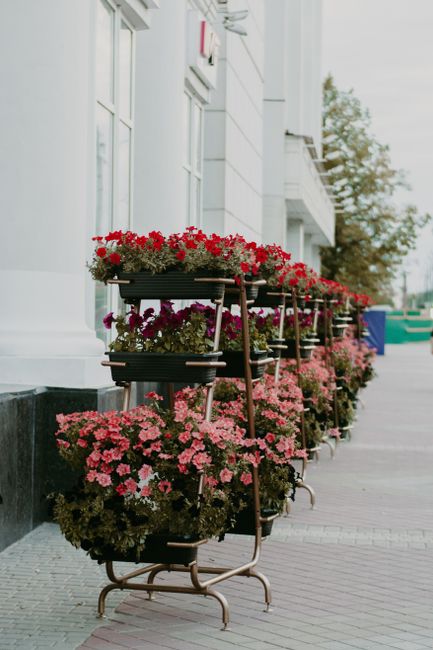
Where businesses operate on a retail street, a display is often judged alongside the overall frontage. A clean threshold, tidy edges, no dead foliage, and sensible placement can make a world of difference. It is not just about whether flowers are allowed; it is about whether the whole frontage works as a safe, coherent piece of street furniture.
Key Benefits and Practical Advantages
When done properly, a pavement flower display can do quite a lot for a place. There is the obvious visual benefit, but also a few less obvious advantages that are easy to miss if you are only thinking about decoration.
- Better kerb appeal: Flowers soften hard edges and make a frontage feel welcoming.
- Stronger customer attention: A tidy display can help passers-by notice a shop, cafe, salon, or hospitality venue.
- Seasonal flexibility: Displays can be changed through the year, which keeps the frontage fresh.
- Community value: A well-kept display can improve the feel of the whole street, not just one property.
- Brand alignment: Colour palettes and arrangement styles can reinforce a business identity without loud signage.
There is also a practical trust benefit. When a frontage looks cared for, people often assume the business behind it is equally careful. That may sound small, but in real life it matters. A florist-friendly corner display, for example, can make a shop feel more specialist and reliable. If you are also working with regular flower deliveries or seasonal arrangements, the display can sit neatly alongside your broader presentation strategy. In that sense, pages like your local florist service and flower care guidance are useful reminders that presentation and maintenance go hand in hand.
And yes, there is a softer advantage too. A small burst of colour can change the mood of a walk down the street, especially on a grey London morning when the pavement feels a bit flat. It sounds almost too simple, but people do respond to it.
Who This Is For and When It Makes Sense
Pavement flower displays are not just for florists, although florists are often the most obvious fit. They can make sense for a range of people and premises, especially where the frontage faces regular foot traffic.
- Florists: Often use exterior displays to extend brand identity beyond the doorway.
- Retail shops: Benefit from a welcoming edge that draws attention from the street.
- Cafes and restaurants: May use small arrangements to create a softer, more inviting atmosphere.
- Wedding and event businesses: Sometimes use floral styling to reinforce their theme and quality.
- Property owners or occupiers: May want a tasteful display for a corner plot or frontage.
The display makes most sense where there is enough space to place it responsibly and enough passing trade to justify the upkeep. If a frontage is already cluttered, or if the pavement is narrow, a display may be more trouble than it is worth. In those situations, it can be smarter to focus on window arrangements, doorway planters, or internal floral styling instead.
There is also a timing angle. Seasonal displays can work very well around spring, summer, and festive periods when streets are naturally busier and flowers hold up well. In darker, wetter months, you may need sturdier containers and tougher varieties. A display that looks fine in July can behave very differently in November rain. London weather does not always play nice, does it?
If you are deciding whether this is worth pursuing, ask yourself: will the display improve visibility, atmosphere, and customer experience without making the pavement harder to use? If the answer is yes, you are probably in the right territory.
Step-by-Step Guidance
Here is a practical way to approach pavement flower displays in Redbridge without turning the process into a headache.
- Assess the pavement properly.
Measure the available space and look at the full route, not just the patch outside your own door. Watch where people naturally walk. People rarely follow perfect lines, especially when one of them is carrying takeaway coffee. - Check for obstacles.
Look for lamp posts, bins, tree pits, utility covers, cycles, and existing street furniture. A display that seems fine in an empty street can fail once the pavement fills up. - Plan the layout.
Choose compact, stable containers and keep them close to the frontage. Leave a clear, sensible walking line. Avoid creating a zig-zag route around planters. - Think about height and stability.
Low, weighted planters are usually easier to manage than tall, top-heavy ones. Wind, foot traffic, and regular handling all matter here. - Choose suitable flowers.
Pick varieties that can cope with the season, shade, sun, and irrigation you can realistically provide. If you need inspiration for sturdy seasonal combinations, a browse through summer flowers or florist choice arrangements can help you think in practical terms. - Keep a maintenance routine.
Watering, deadheading, and removing damaged stems are not optional extras. A tired display quickly starts looking like an afterthought. - Review the display after installation.
Stand back at pedestrian eye level. Is it obvious where people should walk? Does it feel tidy from both directions?
A good habit is to test the setup at busy times of day. Morning school runs, lunchtime footfall, and early evening return journeys can all feel very different. What works at 9 a.m. may be awkward at 5:30 p.m.
If there is any uncertainty about permissions, street layout, or whether the display affects the public highway, do not guess. Get the position checked before spending money on materials and flowers. That saves frustration later, and usually saves money too.
Expert Tips for Better Results
In our experience, the most successful pavement displays are the ones that feel almost effortless to the passer-by. They look natural, but they are usually the result of planning. That is the bit people do not always see.
- Use repetition carefully. A repeated planter shape or colour theme can look polished without being dull.
- Keep a visible edge. People should instinctively know where the display ends and the walking route begins.
- Match the street rhythm. On a busy parade, tighter and more structured works better than sprawling and decorative.
- Choose weather-aware containers. Heavy materials tend to stay put better in wind and foot traffic.
- Rotate seasonal flowers. Small changes through the year keep the frontage feeling cared for.
- Use scent sparingly. A little fragrance can be lovely, but too much near a doorway or narrow pass can be overpowering.
One practical trick is to photograph the display once it is in place. It gives you a reference point for maintenance and helps you spot asymmetry or overgrowth early. A phone photo at dusk, when the light drops and shadows lengthen, can reveal gaps you did not notice at noon.
Another tip: think about how the display looks after a wet spell. Soggy petals, heavy leaves, and windblown stems can make even a promising arrangement look messy in a hurry. A display should still look intentional on a Tuesday afternoon after drizzle, not just after a sunny morning.
If you are using flowers commercially, consistency matters too. A good-looking pavement display should work with your shopfront, your indoor arrangements, and your delivery presentation. That coherence builds trust in a way that random decoration never quite can.
Common Mistakes to Avoid
Most problems with pavement flower displays come from a handful of predictable mistakes. The good news is that they are usually easy to avoid once you know what to look for.
- Blocking too much pavement: This is the big one. If people have to squeeze past, it is too much.
- Ignoring accessibility: A display should work for everyone, not just for able-bodied adults in daylight.
- Using lightweight containers: Small pots can move, tip, or get knocked out of line.
- Letting flowers go overgrown: A display that spills into the path can become an obstruction.
- Forgetting maintenance: Dry soil, dead stems, and broken containers make the whole thing look unmanaged.
- Assuming one street is like another: What works on one footway may be wrong on a narrower or busier one.
Another mistake is treating the display as a one-off installation. It is not. It is closer to a small living system that needs checking, nudging, and sometimes trimming. If that sounds slightly high-maintenance, well, flowers are lovely but they do have opinions.
There is also a social mistake that catches people out: not thinking about neighbours and nearby businesses. A display that sheds petals onto an entrance, obscures a sign, or narrows a shared route can create friction even if it is technically small. A friendly conversation before installation can avoid a lot of awkwardness later.
And one more: do not assume that decorative equals safe. A beautiful arrangement can still be a trip risk if it sits badly, has sharp edges, or leaves loose material on the pavement. Beauty and safety need to work together.
Tools, Resources and Recommendations
You do not need an elaborate setup to manage a pavement display well. A few practical tools make a bigger difference than fancy styling.
- Measuring tape: Essential for checking clear walking width.
- Phone camera: Useful for reviewing layout and monitoring growth over time.
- Watering can or hose access: Helps keep the display healthy and consistent.
- Pruning snips: Handy for deadheading and quick tidy-ups.
- Weighted or stable planters: Reduce the chance of movement or tipping.
- Simple maintenance schedule: Even a weekly checklist makes a difference.
For product planning, it can help to browse categories that reflect the use case rather than just the colour. If you are building a street-facing display for a busy frontage, options such as best sellers, all flowers, or even flowers in a vase can give you a practical sense of style and scale. If you want something more premium and polished, luxury flowers may fit a stronger frontage better.
For businesses that rely on regular floral presentation, it is also worth looking at support pages such as delivery, guarantees, and about us to understand how the florist frames reliability and customer care. That kind of reassurance matters when your display is part of your public image.
One small recommendation: keep a spare container or backup arrangement ready. If one pot becomes damaged or one corner looks sparse, you can fix it quickly rather than waiting for the whole display to sag. It is a little thing, but little things often save the day.
Law, Compliance, Standards, or Best Practice
Because pavement flower displays sit on or near public highway space, the compliance angle matters. While the exact Redbridge Council position should always be checked for the specific location, the general standard is straightforward: do not obstruct the pavement, do not create a hazard, and do not place objects in a way that makes access difficult for the public.
That means thinking in terms of clear passage, stability, visibility, and maintenance. If your display reduces usable width too much, creates a trip edge, or spills beyond where it was intended, it can fall below what would normally be considered acceptable. The same goes for anything that becomes unsafe in poor weather or after a busy day.
Best practice usually includes:
- keeping the display compact and deliberate;
- ensuring there is enough room for two-way pedestrian movement where needed;
- avoiding sharp edges, loose items, or fragile fixings;
- checking the display regularly after installation;
- maintaining the flowers so the arrangement never looks abandoned;
- making sure the setup does not interfere with nearby access points.
Where permission is involved, it is sensible to treat any agreed arrangement as something to maintain exactly as approved. A display that slowly expands over time may drift out of compliance without anyone noticing at first. That is how these things often go - a little here, a little there, and suddenly the planter is doing more pedestrian traffic management than flower display.
If in doubt, treat the pavement as shared space first and decorative space second. That mindset keeps you on the right side of most practical expectations.
Options, Methods, or Comparison Table
There are several ways to approach a pavement-facing floral presentation, and the best option depends on the pavement width, footfall, and the kind of image you want to create.
| Option | Best for | Pros | Watch-outs |
|---|---|---|---|
| Small matching planters | Narrower frontages | Tidy, easy to position, usually less intrusive | Can look sparse if under-planted or too few |
| Grouped decorative containers | Shopfronts with moderate space | Visually striking and flexible | Needs careful spacing and regular maintenance |
| Window-led floral styling | Very tight pavements | No pavement obstruction, still adds visual interest | Less street-level impact |
| Seasonal rotating display | Businesses wanting fresh presentation | Adapts through the year and feels lively | Requires ongoing planning and upkeep |
| Indoor-outdoor hybrid | Frontages with sheltered entrances | Balances style with control | Can feel disjointed if not coordinated well |
If the pavement is generous, you may have more freedom to create a fuller display. If it is tight, restraint is usually the better choice. A neat small setup that leaves everyone moving comfortably is nearly always preferable to a big display that looks impressive for ten minutes and irritating for the next six months.
For many local businesses, the best option is the simplest one: a compact, repeatable arrangement that can be maintained without stress. Less drama. Less cleaning. Better odds of keeping it looking good.
Case Study or Real-World Example
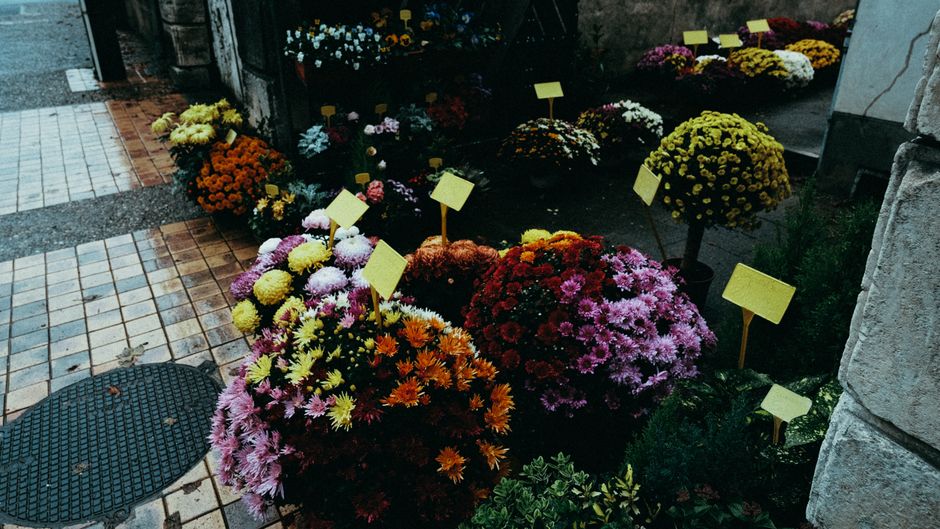
Imagine a small independent florist on a Redbridge high street deciding to add a pavement flower display outside the shop. The frontage sits close to a busier pedestrian route, so the owner keeps the display modest: two weighted planters, both set back from the main walking line, with a neat cluster of seasonal stems rather than a sprawling arrangement.
At first, the display looks almost understated. But that is the point. It frames the shop without competing with it. The flowers echo the colours in the window, the planters are stable enough to stay put on windy days, and the arrangement can be watered without disrupting foot traffic. After a week, the owner notices something interesting: people slow down, glance in, and often look inside. Nothing flashy. Just a calm, welcoming presence.
Now compare that with a different setup on a narrower pavement nearby. A larger display is pushed too far out from the wall, and within a few hours people begin edging around it. A pushchair has to pause. Someone carrying shopping brushes a trailing stem. The display is still attractive, but it has started to feel like a small obstacle course. That is the difference a few centimetres can make.
The lesson is simple enough: the right display is not the biggest or the most decorative one. It is the one that suits the street. That is where good judgement comes in.
Practical Checklist
Use this before placing or updating a pavement flower display in Redbridge.
- Have I checked the available pavement width properly?
- Will the display leave a clear route for pedestrians?
- Is there enough space for pushchairs and wheelchairs to pass comfortably?
- Are the containers stable, weighted, and unlikely to tip?
- Are there any nearby hazards such as bins, posts, kerbs, or steps?
- Do the flowers suit the weather and light conditions?
- Can I maintain the display without letting it become untidy?
- Have I considered whether permission or local approval is needed?
- Will the display still look safe and tidy after rain, wind, or a busy weekend?
- Does the final setup look intentional from both directions along the pavement?
If you can tick those off honestly, you are in a much better position. If not, pause and adjust before going live. A short delay now is far better than a complaint later.
Conclusion
Redbridge Council rules for pavement flower displays are really about common sense made visible. The best displays look attractive, feel welcoming, and still leave the pavement usable for everyone. When you plan carefully, keep the layout compact, and maintain it regularly, the result can be genuinely lovely. Not showy for the sake of it. Just right.
That is the sweet spot: a display that supports the street rather than competing with it. If you are a florist, a business owner, or simply someone who cares about the feel of a frontage, it is worth taking the time to do it properly. The payoff is not just prettier pavement. It is trust, ease, and a more considered presence on the street.
Get a free quote today and see how much you can save.
And if you do decide to move ahead, keep it simple, keep it tidy, and let the flowers do what they do best. A good display has a quiet kind of charm - the kind people notice without even realising why.
Frequently Asked Questions
Do I need permission for pavement flower displays in Redbridge?
In many cases, yes, or at least some form of approval or agreement may be needed depending on where the display sits and how much space it takes up. The safest approach is to check before installing anything on the pavement. Public footway space is not something to assume about.
How wide should the walking space be left around a flower display?
There is no one-size-fits-all answer in every location, because pavement width and surrounding obstacles vary. The practical rule is to leave enough room for people to pass comfortably, including wheelchair users and pushchairs. If people have to sidestep awkwardly, the display is probably too intrusive.
Can I put flower pots outside my shop without council approval?
Sometimes small items may appear harmless, but that does not mean they are automatically acceptable. If a display is on the public pavement, you should check whether local permission or a highway-related consent is required. Better safe than apologising later.
What kind of flowers work best for pavement displays?
Hardy, seasonal flowers that can cope with changing weather usually work best. Choose varieties that match the amount of sun, wind, and care you can realistically provide. A display only works if it stays healthy, not just pretty on day one.
Are hanging baskets safer than floor planters?
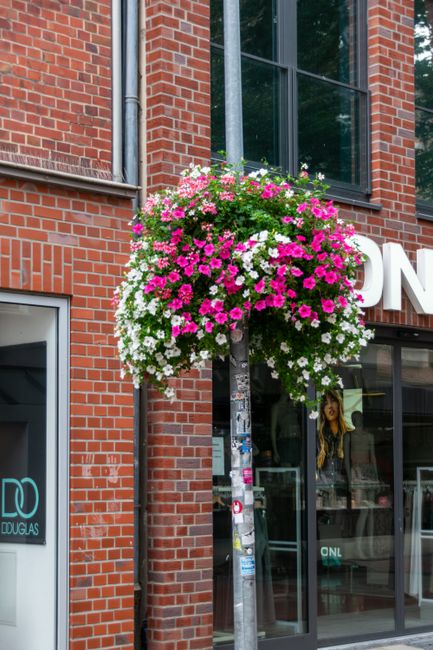
They can be, because they do not take up walking space on the ground. But they still need secure fixing, regular upkeep, and careful placement. Ground planters are more visible and accessible, while hanging options are often better where pavement width is limited.
What happens if a pavement flower display causes an obstruction?
If a display blocks pedestrians or creates a hazard, it may attract complaints or enforcement action. In practical terms, the display may need to be moved, reduced, or removed. It is usually much easier to prevent the issue than deal with it afterwards.
How often should a display be maintained?
As often as needed to keep it safe and tidy. For some displays, that means checking daily for water and damage; for others, a few times a week may be enough. The main thing is consistency. Once a display starts to look neglected, people notice quickly.
Can pavement flower displays be used year-round?
Yes, but the design may need to change with the season. Summer displays can be lighter and more colourful, while winter setups usually need sturdier containers and tougher planting. The weather does not negotiate, so the display has to adapt.
What is the biggest mistake people make with pavement displays?
Overcrowding the pavement. A display can be beautiful and still fail if it makes the route awkward. The second biggest mistake is poor maintenance. Flowers look best when someone is genuinely looking after them, not just hoping for the best.
Are pavement flower displays worth it for a small business?
Often, yes, if the frontage has enough room and the display fits the business style. A tasteful arrangement can make a shop feel more inviting and memorable. If space is tight, though, it may be better to focus on window arrangements or smaller entrance features.
How do I keep a display from looking messy in bad weather?
Use weighted containers, choose resilient plants, and prune regularly. It also helps to review the display after rain or windy periods, because that is when small issues become obvious. A quick tidy can make the whole frontage feel cared for again.
Should I use the same flowers as my indoor arrangements?
Not necessarily. Outdoor displays usually need tougher, more weather-resistant choices than indoor arrangements. It can be helpful to match the colour palette or general style, but the plants themselves should be selected for outdoor conditions first.